

 Featured
The Ultimate 4th of July Glamping Setup
Your backyard is fine. A campsite is better. Here's how to make the most festive 4th of July setup for miles.
Read guide →
Lump vs. briquettes, chimney starters, and the one technique that changes how you cook over charcoal — no lighter fluid required.
Gas grills are fine. Charcoal is an experience. There's something deeply satisfying about building a fire, waiting for the coals to hit that perfect grey-ash glow, and cooking over real heat you created yourself. It's slower. It's better. And once you know what you're doing, it's not even that hard.
Here's everything you need to know — charcoal types, how to light it without ruining dinner, and what gear actually makes a difference.

This is the first thing everyone argues about. Here's the honest answer: both are good, they're just good for different things.
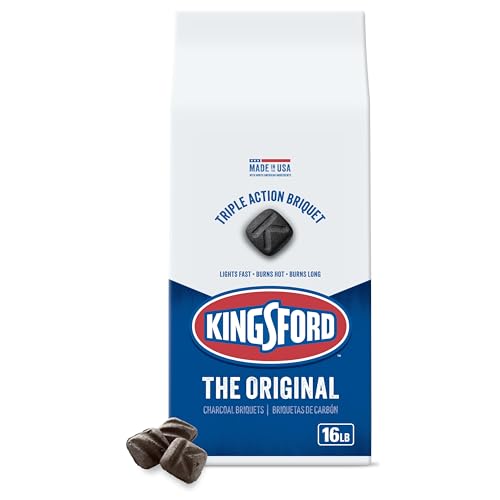
Briquettes are the classic option — compressed charcoal dust and binders pressed into those satisfying pillow shapes. Kingsford Original is the one everyone knows, and it's popular for a reason. Briquettes burn consistently, hold temperature well, and are forgiving if you get distracted by the cooler. The downside: they take longer to light and can leave a faint chemical smell early in the burn from the binders.
Lump charcoal is just wood, burned down to carbon — no binders, no additives, nothing. It lights faster, burns hotter, and produces less ash. Jealous Devil is the one worth buying — it's made from dense Paraguayan hardwood and burns so hot and clean it's almost unfair. The tradeoff: lump is irregular in size, burns faster, and can be harder to hold at a steady low temperature for longer cooks.
The short version: lump for burgers, steaks, and anything you want hot and fast. Briquettes for ribs, chicken, and anything that needs patient, even heat for an hour or more.
If you're still using lighter fluid, this is the most important paragraph you'll read today. Lighter fluid works, but it leaves a petrochemical taste on your food, it's a fire hazard if you mistime it, and it's completely unnecessary.
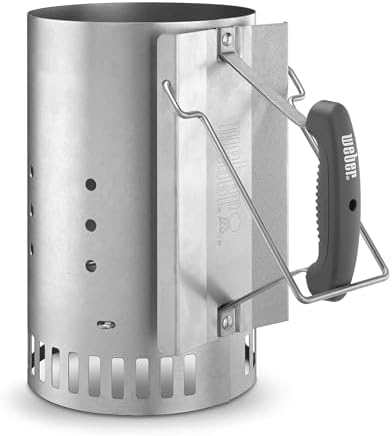
The Weber Rapidfire Chimney Starter costs about $20 and will last you a decade. You stuff newspaper or a fire starter cube in the bottom, fill the top with charcoal, light it, and in 15–20 minutes you have perfectly lit coals with no chemical aftertaste, no flare-ups, and no waiting around pouring more fluid hoping something catches. It's one of those tools where once you use it you genuinely cannot believe you ever did it any other way.

Two good options once you have your chimney:
What to avoid: lighter fluid (see above), electric starters (fine, but you're essentially just running an extension cord to your grill), and anything that seems like a shortcut. The chimney + newspaper combo is already the shortcut.
This is where impatience gets people. Coals need about 15–20 minutes from lighting before they're ready. The signs:
Dump them too early and you get flare-ups and uneven heat. Wait for the ash and you get the clean, controllable fire that makes charcoal cooking worth the effort.
Don't dump all your coals in a flat layer. Instead, push most of them to one side and leave the other side empty (or with just a thin layer). This gives you a hot direct-heat zone for searing and a cooler indirect zone for finishing things off without burning them. It's the single technique that separates people who can cook on charcoal from people who just make charcoal.
Once you're cooking this way — with real heat, good charcoal, and no lighter fluid — you'll understand why the charcoal people are so insufferable about it.
Featured
Your backyard is fine. A campsite is better. Here's how to make the most festive 4th of July setup for miles.
Read guide →
An honest breakdown of what glamping actually costs, what you get for the money, and how to decide which one is right f…
Read guide →
Everything you actually need — and a few things that sound essential but aren't. A practical, no-fluff checklist for fi…
Read guide →