
Charcoal 101: The Types, the Tricks, and Why You Should Throw Away Your Lighter Fluid
Lump vs. briquettes, chimney starters, and the one technique that changes how you cook over charcoal — no lighter fluid…
Read guide →
The difference between a good night's sleep and a great one outdoors comes down to bedding. Here's how to build the perfect glamping bed — layers, materials, and everything you need.
In a hotel, the mattress and sheets are someone else's problem. In a glamping tent, you're building the bed from scratch. Do it right and you'll sleep better outdoors than you do at home. Do it wrong and no amount of ambiance will save you from a miserable night.
Think of your glamping bed the same way you think of layering clothes: a base, an insulating middle, and a protective outer layer. Each layer serves a specific purpose.
A portable camp cot or inflatable mattress keeps you off the ground — which is where the cold comes from. For true glamping, a folding camp bed or a proper air bed (not a thin sleeping pad) is the starting point.
Top picks:
Even the best air mattress benefits from a 2–3 inch memory foam topper. Cut one to size or use a travel topper that rolls up for transport.
Top picks:
Cotton or bamboo are ideal. Cheap polyester traps heat and feels clammy — but quality brushed microfiber is a legitimate exception. A proper fitted sheet on your airbed, with a flat sheet on top, immediately signals "glamping" rather than "camping."
Top picks:
For warm weather glamping, a standard duvet works fine. For anything under 50°F at night, add a sleeping bag rated for the temperature — or layer two duvets.
Top picks:
Bring real pillows. Camping pillows are fine for backpacking — not for glamping. A couple of proper bed pillows in pillowcases matching your sheets finishes the look and actually lets you sleep.

Match your bedding weight to overnight lows:
Get this right and your guests — or you — will be talking about how well they slept for weeks. It's consistently the most commented-on element of a great glamping experience.

18-inch elevated airbed with built-in pump

Best-value elevated airbed for glamping

Soft brushed microfiber sheets, affordable enough to dedicate to camping

Iconic wool blanket — the finishing touch on any glamping bed

Extra-wide sleeping bag for a spacious, cozy night
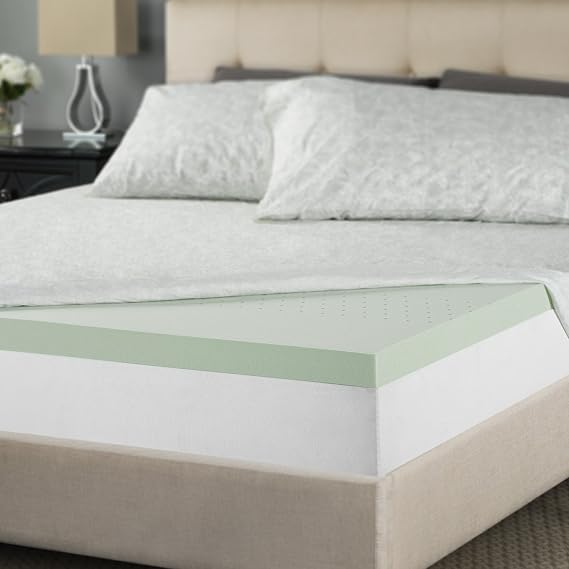
Affordable memory foam topper that transforms any airbed
Lump vs. briquettes, chimney starters, and the one technique that changes how you cook over charcoal — no lighter fluid…
Read guide → Featured
Your backyard is fine. A campsite is better. Here's how to make the most festive 4th of July setup for miles.
Read guide →
An honest breakdown of what glamping actually costs, what you get for the money, and how to decide which one is right f…
Read guide →